


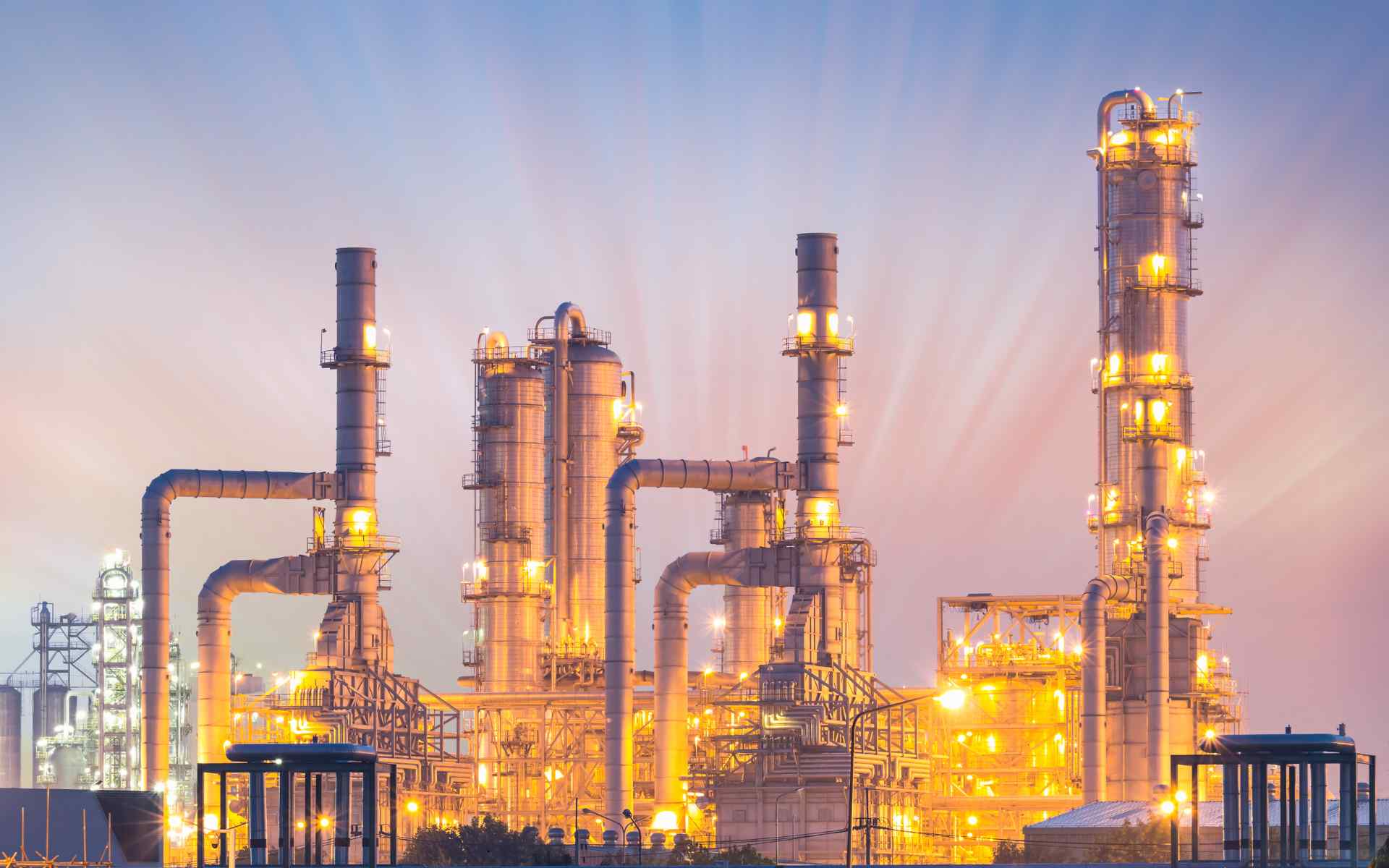
Africa continues to hold a critical role in global oil markets, exporting millions of barrels of crude to Europe, Asia and the Americas while remaining heavily reliant on imported refined products. According to the African Energy Chamber’s (AEC) State of African Energy 2026 Outlook, this trade imbalance is a defining – and costly – feature of the continent’s energy landscape, shaping infrastructure priorities, investment needs and long-term energy security.
Structural Imbalances in Africa’s Oil Trade
West and North Africa are home to some of the continent’s largest crude producers, including Nigeria, Angola, Libya, Algeria and Egypt. Yet limited refining capacity forces many countries to export low-value crude while importing high-value petroleum products. While this constrains local industrialization and job creation, it also creates opportunities for investment in large-scale, modern refining projects, says the Chamber. Facilities such as Nigeria’s Dangote Refinery, alongside planned upgrades in Angola, Egypt and South Africa, are expected to gradually reverse trade imbalances and retain more economic value on the continent.
Even with Dangote’s scale, Africa is projected to remain short on gasoline, gasoil and jet fuel throughout the forecast period, according to the report. Residual fuel oil production is expected to roughly match domestic consumption, keeping net exports limited, while naphtha will maintain a modest positive net balance. Gasoline and gasoil net imports may decline slightly in 2027 as Dangote and other upcoming projects, such as the Cabinda refinery in Angola, begin operations – but over the long term, imports for both products are expected to widen, with gasoil net imports reaching nearly 1.8 million barrels per day (bpd) by 2050 and gasoline net imports exceeding 1.5 million bpd, reflecting strong demand growth and limited additional refining capacity.
Regional trade presents another avenue for growth. Most African nations currently rely on exports to Europe, Asia and the Americas rather than trading with neighbors. The African Continental Free Trade Area offers a platform to expand intra-African energy trade, strengthening supply resilience and generating economies of scale. By enhancing cross-border distribution and harmonizing regulations, countries can build a more efficient and interconnected oil market, creating jobs and supporting industrial growth.
Reducing dependence on imported refined products can also relieve currency pressures and improve fiscal stability. Expanding domestic refining, storage and distribution infrastructure helps African countries retain value, strengthen energy security, and reduce vulnerability to global supply disruptions – as seen during the COVID-19 pandemic and the Suez Canal blockage.
Infrastructure and Investment Opportunities
Downstream bottlenecks remain a challenge but also present investment opportunities. Ports in East Africa, such as Beira, Dar es Salaam and Mombasa, face congestion, while pipelines linking these hubs to inland markets are limited, forcing reliance on costly road transport. Pipeline extensions, storage upgrades and port improvements could unlock private and public investment while boosting efficiency and resilience.
Landlocked countries, often with limited fuel stocks, stand to gain the most from coordinated infrastructure development. Net refined product imports are projected to rise from 2 million bpd to 3.4 million bpd by 2050, according to the Outlook, highlighting opportunities across refining, storage, distribution and logistics. Modernizing these systems can unlock value while ensuring long-term supply security for both coastal and inland markets.
Beyond hydrocarbons, Africa’s energy transition initiatives open doors for diversification. Combining investment in cleaner technologies with more efficient oil markets can enhance energy security while supporting industrialization, positioning the continent as a leader in the global energy transition.
“Africa produces the oil the world needs, but too much of the value still leaves the continent,” says NJ Ayuk, Executive Chairman, AEC. “Investing in refining capacity, modern infrastructure and regional cooperation allows Africa to transform its oil trade, strengthen energy security, and ensure hydrocarbons drive industrialization and economic growth for decades to come.”
Platforms such as African Energy Week (AEW), returning to Cape Town on October 12‑16, 2026, are central to turning these opportunities into action. By convening policymakers, national oil companies, operators, traders and infrastructure developers, AEW fosters dialogue and partnerships across the energy value chain, highlighting strategies for refining, storage, logistics and regional integration.
The post Africa Eyes Refining Boom to Capture More Oil Value first appeared on African Energy Chamber.


